
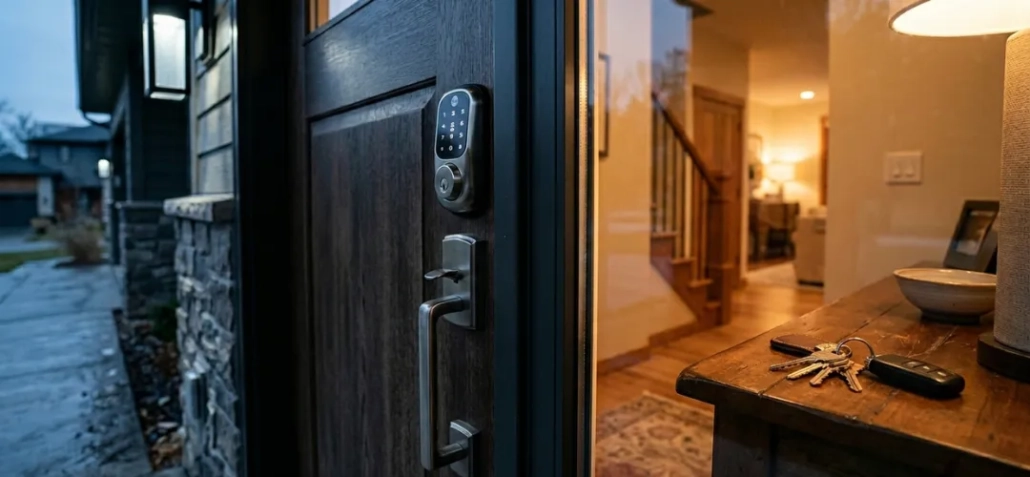
You step outside for one quick second. Maybe to grab the mail or wave at a neighbor. Then you hear that soft click behind you. And your stomach drops, because a home lockout just happened and your keys are sitting on the kitchen counter.
It happens to the best of us every single day. So what are common causes of house lockouts, and how do people end up stuck on their own porch so often?
The good news is that almost every lockout is preventable once you know what triggers it. This guide walks you through the six biggest reasons, plus simple habits that keep you on the right side of your own front door.
Quick Answer: Why House Lockouts Happen So Often
Here is the short version, because you probably want an answer before the full breakdown.
Most lockouts come down to four things: simple distraction, worn out hardware, key problems, or electronic failure. A rushed morning, a tired old lock, a snapped key, or a smart lock with dead batteries. That is the whole list, more or less.
If you have ever asked yourself why do people get locked out of their house when they seem so organized otherwise, the truth is that a house lockout rarely involves carelessness. It involves a routine running on autopilot while life pulls your attention somewhere else. Understanding that pattern is the first step to breaking it.
Reason 1: Leaving or Forgetting Keys Inside
This is the classic one. You toss your keys on the table, step out to deal with something for a moment, and pull the door shut out of habit. Click. Done.
Having your forgotten keys inside house sitting right where you can see them through the window is one of the most maddening ways to get stuck. You can practically touch them, and yet there you are, locked out of home in your socks.
Why does this happen to such reliable people? Because the habit of closing a door behind you is automatic, and a self locking deadbolt does not care whether your keys came along.
How to avoid it: Get in the habit of locking the door from the outside with your key instead of flipping the latch from inside before you leave. And give your keys one permanent home, like a drop tray by the entry, so grabbing them becomes part of walking out the door.
Reason 2: Lost or Misplaced Keys
Leaving keys behind is one thing. Losing them entirely is another headache altogether.
Keys vanish at the worst times. They slip out of a coat pocket at work, hide in the car door pocket, or disappear while you are juggling grocery bags and a kid who refuses to walk. By the time you reach your porch, those misplaced keys are anywhere but your hand.
Dealing with lost house keys is so common because keys are small, silent, and easy to set down without thinking. One moment of multitasking, and they are gone.
Here is how to stay ahead of it:
- Keep your house keys on a separate ring from your car keys, so losing one set still leaves you a backup.
- Clip a Bluetooth tracker onto your keychain to pin them on a map in seconds.
- Stash a spare key with someone you trust, so a missing set never becomes a full lockout.
Reason 3: Broken Keys and Worn Out Blades
Keys do not last forever, even though we treat them like they do.
Every time you turn a key, the metal flexes just a little. Over years, that adds up. This is metal fatigue, the same slow wear that eventually snaps a paperclip you keep bending. Using your house key to pry open a package or scrape a sticker only speeds things up.
Then one day a worn key finally gives out, and you are left with a broken key in lock, the teeth snapped off somewhere inside the cylinder. Other times the whole key jams, and a key stuck in lock simply will not budge no matter how hard you wiggle it.
How to avoid it: Cut a fresh copy the moment your original starts looking tired, and never force a key that resists. Forcing it is exactly how the blade ends up snapping inside the lock cylinder.
Reason 4: Jammed or Failing Locks
Sometimes the key is fine and the lock is the problem. Those sticky locks you keep ignoring? They are a lockout waiting to happen.
A jammed door lock usually builds up slowly. Dust and grit work their way into the cylinder. Rust creeps in. The internal pins stop moving smoothly. You notice the key getting harder to turn, you shrug it off, and then one afternoon your front door won’t open at all.
Weather plays a sneaky role too. Seasonal swelling causes wooden frames to expand in summer humidity and shrink in winter cold. That frame expansion shifts the deadbolt out of line with the strike plate, so the bolt binds and refuses to slide.
How to avoid it: Treat lock maintenance like a small yearly chore. A quick shot of graphite lubricant or a dry PTFE lubricant keeps the cylinder moving freely without gumming it up like oil would. If your door sticks every season, realign the hinges or file the strike plate so the bolt seats cleanly. And if a lock keeps fighting you, schedule a lock repair before it strands you outside.
Reason 5: Smart Lock and Electronic Lock Failures
Going keyless feels like the ultimate fix. No key, no problem, right? Not quite.
A smart lock is only as dependable as its power source. When the batteries die, that sleek keypad turns into a very expensive doorstop. And dead batteries are not the only reason. Software glitches freeze the system. A worn keypad stops reading your code. The fingerprint scanner suddenly does not recognize the finger you have used a thousand times.
Here is the part that catches people off guard. Many homeowners set up an electronic lock and never think about a backup entry method until the screen goes dark and they are stuck on the porch.
How to avoid it: Test your lock and swap the batteries on a schedule rather than waiting for a warning. Most models ping your phone when power runs low, so do not ignore that alert. Most importantly, keep a physical backup key tucked away somewhere safe, because electronics fail at the least convenient moment.
Reason 6: Poor Spare Key and Entry Planning
Here is the reason that quietly turns a small slip into a real problem. No backup plan.
You can forgive yourself for forgetting your keys once. What stings is realizing, mid panic, that there is no spare anywhere. No copy with a neighbor, no lockbox by the door, nothing. An accidental house lockout becomes a long, expensive evening simply because you never set up a second way in.
Plenty of folks do hide a spare, but in the worst possible spot. Under the doormat. Inside a fake rock. Above the door frame. Those are the first three places anyone looks, which makes them more of a security risk than a safety net.
When you look at the reasons homeowners get locked out frequently, weak spare key planning sits near the top. It is not the lockout itself that traps people. It is the lack of a fallback.
How to avoid it: Store a spare in a heavy, well hidden lockbox with a code, or hand one to a trusted neighbor or family member who is usually around. A keyless entry system with a backup code adds another layer too. The goal is simple. Always have a second way inside.
What Should You Do If You Find Yourself Locked Out?
So the worst has happened and you are standing outside. What should you do if you find yourself locked out of your home? Take a breath first, because panic leads to a forced door and a bigger repair bill.
Run through these steps in order:
- Stay calm and slow down. A clear head spots options that frustration hides.
- Check for another safe entry. If a back door or window is unlocked and reaching it is safe and legal, use it. Never climb or break anything.
- Call someone with your spare. That neighbor or family member you trusted with a copy just earned their keep.
- Resist forcing the lock. Kicking the door or jamming a card past the deadbolt usually damages the frame, the strike plate, and the lock cylinder, which costs far more than the lockout itself.
- Call a locksmith. When nothing else works, a professional gets you in quickly without wrecking your door.
Here is the takeaway. The calmer your response, the cheaper and faster your way back inside.
How to Prevent Getting Locked Out of Your House
You have seen the causes and the emergency fixes. Now let’s tie it all together into a simple game plan. How to prevent getting locked out of house? It really comes down to a handful of habits you can build this week.
Run through this quick checklist:
- Give keys one home. A drop tray or hook by the door means you never hunt for them again.
- Carry a backup. A spare in your wallet, car, or bag turns a lockout into a non event.
- Replace worn keys early. Cut a fresh copy before metal fatigue snaps the old one.
- Service sticky locks fast. A little graphite lubricant and yearly lock maintenance beats a surprise jam.
- Watch your smart lock batteries. Swap them on schedule and never ignore a low power alert.
- Trust someone with a spare. A reliable neighbor is the easiest backup entry method there is.
- Test the door before it closes. A two second check confirms your keys are in hand before that latch clicks.
These tips to prevent house lockouts in the future are small, but stacked together they make a real difference.
If you are still wondering exactly how to avoid getting locked out for good, the honest answer is redundancy. Build in a backup for your keys, your lock, and your way inside, and a single slip never strands you again. That is the whole secret behind how to avoid getting locked out of your own home.
The Bottom Line
So what are common causes of house lockouts? Distraction, worn hardware, and a missing backup plan. And how do people get locked out of their house even when they are careful? Usually because no one built in a second way inside. The goal is not just getting back in once. It is making sure a single slip never leaves you stranded again. A bit of prep with your keys, your locks, and your spares fixes that for good.
Locked out right now or tired of the close calls? Reach out to Az Locksmith and Key Solutions at +1 310 844 2365 or visit https://www.azlocksmithsonline.com/house-lockouts/. We specialize in house lockout services for instant, safe, and professional house unlocking, anytime you are locked out of your own home.
Frequently Asked Questions
- Why do people usually get locked out of their homes?
Most home lockouts happen due to forgotten keys, lost keys, broken keys, jammed locks, or smart lock failures.
- What should I do first if I’m locked out of my house?
Stay calm, check for another safe entry, and contact someone with a spare key or a locksmith.
- Can a locksmith open a locked house door quickly?
Yes, professional locksmiths can usually unlock most house doors within minutes without damaging the lock.
- How can I avoid getting locked out of my home again?
Keep a spare key, maintain your locks, and always double-check your keys before closing the door.
- Are smart locks reliable during a home lockout situation?
They are convenient, but can fail due to dead batteries or system errors, so a backup key is still important.
